Top florists on Balham High Road for wedding flowers
Posted on 18/10/2026
Planning a wedding and trying to find the right florist can feel oddly personal. You are not just buying flowers; you are choosing the look, scent, and mood that will follow you through one of the biggest days of your life. If you are searching for Top florists on Balham High Road for wedding flowers, you probably want more than a pretty bouquet. You want reliability, good advice, sensible pricing, and someone who understands how a wedding day actually unfolds. That is exactly what this guide is here to help with. We will cover what to look for, how wedding flowers are usually arranged, where the real value is, and how to make confident decisions without getting lost in the jargon.
Balham has a practical advantage that couples often appreciate: local flower shops can be easier to visit, easier to brief, and easier to trust when deadlines are tight. And let's face it, wedding planning is already full enough without chasing vague replies or wondering if the flowers will arrive on time. This article breaks it down clearly, so you can compare options with a bit more calm.
Why Top florists on Balham High Road for wedding flowers Matters
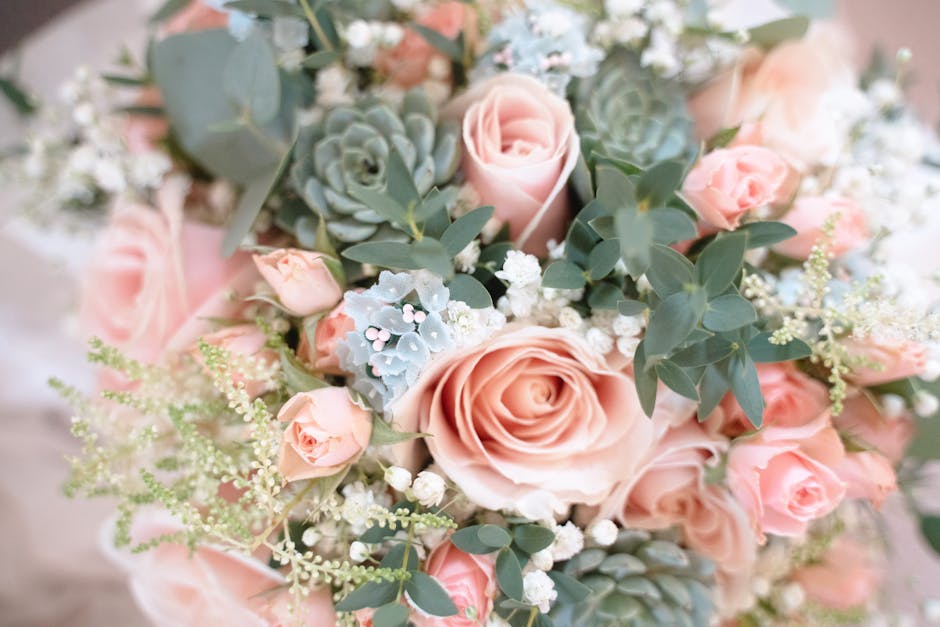
Wedding flowers do a lot of work quietly in the background. They set the colour story, soften a venue, frame photographs, and help the whole day feel intentional. A good florist does more than assemble stems. They help translate your ideas into something that works in real life, in real time, with real logistics. That matters on Balham High Road because local florists are often close enough to understand the rhythm of the area: delivery timing, traffic pinch points, venue access, and what is sensible when the schedule is packed.
For couples, the choice is not only about style. It is about trust. Will the florist understand your brief? Can they suggest alternatives if your favourite flower is out of season? Will they keep things graceful if the budget is tighter than you hoped? The best florists are part designer, part planner, part calm voice on a stressful week. To be fair, that calm voice is worth a lot.
There is also the local benefit. When a florist works near you, it is usually easier to discuss sample colours, inspect previous arrangements, and coordinate details like bouquet size or church-to-reception transfers. Even a small conversation in person can save a surprising amount of confusion later. You notice little things face-to-face that email tends to flatten out.
Expert summary: The best wedding florist is not always the one with the flashiest website. It is the one who can understand your venue, style, timing, and budget, then turn all four into flowers that feel seamless on the day.
How Top florists on Balham High Road for wedding flowers Works
Working with a wedding florist usually follows a fairly clear pattern, though every shop has its own way of doing things. First comes the enquiry. This is where you share your date, venue, rough guest count, and the pieces you need. Brides often start with bouquet and buttonholes; others begin with table flowers or ceremony arrangements. There is no perfect order, honestly. Start where your biggest priority sits.
Next comes the planning conversation. A strong florist will ask about your colour palette, dress style, venue feel, and seasonal preferences. They may suggest a tighter set of flowers if your budget needs discipline, or a fuller, more textural look if you want impact. This part matters because "wedding flowers" can mean anything from understated bridal bouquets to larger installations and reception centrepieces. Without a clear brief, costs can wander quickly.
Then comes quotation and refinement. This should feel collaborative rather than pushy. A decent quote will usually group items by category: bridal bouquet, bridesmaid bouquets, buttonholes, ceremony flowers, table arrangements, and any delivery or setup charges. If anything is unclear, ask. You should not need a detective's notebook to understand what you are paying for.
Finally, there is the delivery and setup stage. On a wedding day, timing matters more than almost anything else. Flowers need to arrive in good condition, stay fresh, and be placed without slowing down the venue. Good florists think about stems, water, transport, weather, and the boring-but-essential practical bits. The boring bits are where weddings get saved.
Key Benefits and Practical Advantages
Choosing one of the stronger florists on Balham High Road for wedding flowers can give you several practical benefits. Some are obvious. Others only become clear when the day gets moving.
- Local convenience: Easier meetings, quicker communication, and less risk of delivery confusion.
- Better matching of style and budget: Good florists know how to suggest swaps that preserve the feel without blowing the spend.
- Seasonal guidance: They can recommend flowers that look beautiful and behave well in the season you are marrying in.
- Venue-aware planning: A florist who understands scale will not overfill a small room or underdress a larger one.
- Faster problem solving: If something changes, local florists are often easier to reach and adjust.
- More cohesive design: Bouquets, table centrepieces, corsages, and buttonholes can all be made to feel like one story rather than separate items.
There is a softer benefit too. You often feel more relaxed when you know the florist is nearby and responsive. Wedding planning can become a swirl of tiny decisions. Having one supplier who sounds organised and grounded can be a real comfort. It sounds small, but it is not.
If you want a sense of the kind of ranges available locally, explore the wedding flower collection and compare it with focused pieces such as bridal bouquets, bridesmaid bouquets, and buttonholes.
Who This Is For and When It Makes Sense
This guide is for couples who want wedding flowers that feel polished but still personal. It is also useful if you are helping plan a wedding for a friend or family member, or if you are comparing a few local florists and want to know what separates the decent ones from the genuinely helpful ones.
It makes sense to prioritise a local Balham High Road florist if:
- you want to meet in person before booking
- you need help turning a loose idea into a workable design
- you have a narrow setup window on the day
- you want a florist who can coordinate multiple items at once
- you are balancing style and budget carefully
- your venue is nearby and delivery logistics matter
This also applies if you are planning a smaller wedding. Truth be told, intimate weddings can be just as demanding on detail as bigger ones. A smaller guest list does not necessarily mean fewer expectations. Sometimes it means more attention to each table, each bouquet, each entrance moment.
Step-by-Step Guidance
Here is a sensible way to approach wedding flower planning without overcomplicating it.
- Start with the date and venue. These two things shape everything else, including timing, flower choice, and delivery needs.
- Decide the key floral moments. For most weddings, that means the bouquet, buttonholes, ceremony flowers, and table arrangements. If the budget is tight, prioritise the pieces that appear most in photos.
- Choose a style direction. Think in plain English: classic, romantic, modern, garden-style, bold, soft, minimalist, or seasonal.
- Set a realistic budget. Be honest about what you can spend. A good florist can work within limits, but only if they know the limit.
- Ask about seasonal substitutions. If a flower is unavailable or costly, ask what the florist would use instead and whether the overall look changes much.
- Review the quote line by line. Check what is included: delivery, setup, collection, vase hire, and any extras.
- Confirm timings and contact details. On a wedding day, one missed message can become a small drama. Keep it simple and written down.
- Plan for the handover. Decide who will receive the flowers, where they will be stored, and who is responsible for moving items between venues if needed.
If you are not sure where to begin, look through ready-made wedding ranges such as True Happiness wedding collection, Pure Romance wedding collection, or Everlasting Love wedding collection. Those can be a useful starting point for style, even if you end up customising details.
Expert Tips for Better Results
In our experience, the nicest wedding flower outcomes come from a few simple habits. Nothing glamorous. Just sensible choices made early.
First, bring reference images, but not too many. Three to five photos is usually enough. If you bring forty-seven screenshots from different weddings, you are not helping. You are creating a floral mood board that could sink a small boat.
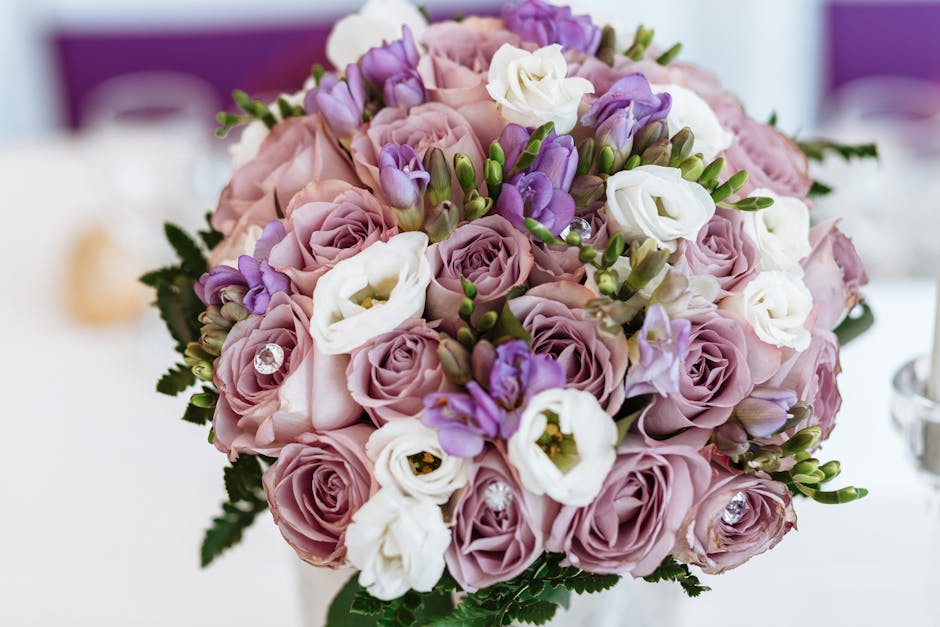
Second, talk about shape as well as colour. A bouquet can feel loose, rounded, trailing, structured, or airy. Shape changes the mood more than people expect. A blush bouquet with a compact shape feels different from one that drapes and spills.
Third, think about the dress and the venue together. A tall, dramatic bouquet might suit a grand space, while a softer hand-tied arrangement can feel better in a smaller room. It is about balance, not just beauty.
Fourth, ask what will photograph well. Some flowers are lovely in person but less visible in wide shots. Others give immediate shape and colour in pictures. A florist who has done weddings before should know this instinctively.
Fifth, keep scent in mind. Strong fragrance can be wonderful, but it can also compete with food, perfume, or sensitive guests. A light scent is often the safer middle ground.
For elegant, wedding-friendly options, it can help to browse White Wonders wedding collection or one of the more luxurious styles like Royal Essence wedding collection. Those collections can give you a sense of how polished the overall design language can be.
Common Mistakes to Avoid
Wedding flowers are easy to underestimate. The mistakes are usually not dramatic, but they add stress in exactly the wrong places.
- Leaving booking too late: Popular dates go quickly, especially in warmer months and around bank holidays.
- Giving only vague instructions: "Elegant but modern" is not enough on its own. Add colours, venue feel, and flowers you like or dislike.
- Ignoring venue scale: Small arrangements can disappear in a large hall; oversized displays can overwhelm a small room.
- Forgetting about transport: Not every bouquet travels well in hot weather or through a crowded car.
- Overcomplicating the brief: Too many colours, too many styles, too many must-haves. It starts to wobble.
- Skipping the practical questions: Ask about delivery, setup, vase return, substitutions, and collection. Plain, boring questions. Very useful ones.
Another one that catches people out: assuming every florist includes everything. They do not. A quote can look attractive until you realise delivery, setup, and extra stems are all separate. Always read carefully. It saves that awkward late-stage surprise everyone hates.
Tools, Resources and Recommendations
You do not need fancy planning tools, but a few simple resources make the process much easier.
- A mood board: Collect colours, bouquet shapes, dress details, and venue images in one place.
- A short flower preference list: Include flowers you love, flowers you dislike, and any allergy concerns.
- A wedding day timeline: Note when you need the bouquets, buttonholes, ceremony flowers, and table setups.
- Venue measurements or photos: Even approximate room sizes can help a florist recommend the right scale.
- Budget bands: Separate essentials from nice-to-haves, so the quote can be trimmed if necessary.
For product browsing, the local shop pages are useful in a very practical way. If you want bridal and attendant pieces, look at bridal bouquet options and bridesmaid bouquet options. If you need groom accessories, the groom buttonhole range is a straightforward place to compare styles. For tables, the wedding table arrangements page is useful too.
One practical recommendation: pick a florist whose style already sits close to yours. It is much easier to refine a matching style than to force a florist far outside their natural approach. That is true in most creative work, not just flowers.
Law, Compliance, Standards, or Best Practice
Wedding flower ordering is not a heavily regulated area in the way food, medicine, or financial services can be. Even so, there are still standards and best practices worth paying attention to.
Clear terms matter. You should understand what has been agreed around payment, cancellations, substitutions, delivery windows, and what happens if access to the venue changes. Good florists are usually transparent here. If anything feels unclear, ask before paying a deposit.
Consumer fairness matters too. In the UK, it is normal to expect services to be delivered with reasonable care and skill. That does not mean every stem will be identical or that weather will behave perfectly, but it does mean the florist should act professionally and keep communication honest.
Venue rules can affect setup. Some wedding venues have timing restrictions, access limits, or specific rules on open flames, installation methods, and collection. The florist may not control those rules, so you should check them early. It is one of those unglamorous tasks that prevents a last-minute headache.
Best practice is documentation. Keep the final quote, item list, colour notes, timings, and contact details in writing. If the plan changes, update it once and send it to the relevant people. Do not rely on memory. Memory is a liar on wedding weeks.
For company information, policies, and practical reassurance, you can also review the florist's about page, guarantees, delivery information, and terms and conditions. Those pages can help you understand how the business handles service and expectations.
Options, Methods, or Comparison Table
Different couples need different approaches. Some want a simple and elegant set of pieces. Others want the whole room to feel fully dressed. Here is a useful comparison to help you decide what fits best.
| Approach | Best for | Typical strengths | Things to watch |
|---|---|---|---|
| Classic bouquet-led wedding flowers | Smaller weddings, registry ceremonies, tight budgets | Simple, elegant, easy to manage, often cost-efficient | Can feel too minimal if the venue is large |
| Full bridal package | Couples wanting a cohesive floral look across the day | Consistent style, easier planning, coordinated colours | Requires clearer budget control and early booking |
| Venue-dressing approach | Receptions, large tables, ceremony spaces that need visual impact | Creates atmosphere and strong photo moments | Needs careful setup timing and may cost more |
| Seasonal, florist-led design | Couples open to recommendations rather than exact flower lists | Often fresher, more natural-looking, and more flexible on price | You need to trust the florist's judgment |
For couples who want a ready-made route, collections like The Perfect Match wedding collection, Forever Yours wedding collection, and Love Devotion wedding collection can be useful because they offer structure without making the planning feel rigid.
Case Study or Real-World Example
Here is a realistic example based on a common local wedding brief. A couple planning a late spring wedding near Balham wanted something soft and romantic, but not overly fussy. They had a medium-sized ceremony, a small reception room, and not much setup time between events. They also had a budget that was sensible, not huge. Refreshingly normal, really.
Instead of asking for every item to be unique, they prioritised three areas: the bridal bouquet, two bridesmaid bouquets, and simple table arrangements. They chose a colour story built around whites, blush tones, and a little green for freshness. The florist suggested a seasonal mix rather than chasing a long list of specific blooms. That mattered, because it kept the style elegant while protecting the budget.
On the day, the bouquet photographed beautifully in daylight, the bridesmaids carried something lighter that did not fight the dresses, and the table pieces felt balanced rather than crowded. There was one small timing adjustment because the venue was still clearing the room. Nothing dramatic. Just a quick, calm update and a slightly later placement. That is the sort of thing a good local florist handles without fuss.
The couple later said what helped most was not one single flower choice. It was the fact that the florist had thought ahead: how the flowers would travel, how the room would read, and what could be adjusted without losing the overall feel. That is the bit people sometimes miss. Good wedding flowers are design plus logistics, joined together neatly.
Practical Checklist
Use this checklist before you book and again before the wedding week.
- Wedding date confirmed
- Venue name and address saved
- Approximate guest count noted
- Style direction chosen: classic, romantic, modern, seasonal, or garden-inspired
- Colour palette selected
- Priority flower items agreed
- Budget range set
- Any flower dislikes or allergies listed
- Delivery and setup timings confirmed
- Venue access rules checked
- Quote reviewed line by line
- Deposit and payment terms understood
- Substitution policy discussed
- Contact person assigned for the day
- Backup plan for transport or late changes in place
If you tick off those points, you are already ahead of many couples. Not perfect, just prepared. And that goes a long way.
Get a free quote today and see how much you can save.
Conclusion
Finding the right florist on Balham High Road for wedding flowers is really about finding someone who can listen well, advise clearly, and deliver calmly. The best results usually come from a straightforward process: choose a florist whose style feels close to yours, explain what matters most, and keep the plan practical. When that happens, the flowers stop being a source of stress and become one of the most memorable parts of the day.
If you take nothing else from this guide, take this: a thoughtful florist should make your life easier, not more complicated. They should help you narrow choices, protect your budget, and create something beautiful that suits the venue and the mood. Simple, really. But also not simple at all.
Balham couples have the advantage of local choice, local knowledge, and the comfort of speaking to a florist who understands the area. That makes a difference. A quiet little difference, but a real one.
And when the day comes, with the room finally set, the bouquets in hand, and that first calm breath before the ceremony, you will be glad the details were handled properly.
Frequently Asked Questions
How far in advance should I book a wedding florist in Balham?
As early as you can, especially for spring and summer dates. Popular local florists can book up well ahead of time. If your date is close, still ask, but do not leave it until the last minute unless you have to.
What should I tell a florist at the first enquiry?
Share your wedding date, venue, approximate guest count, style preferences, colour ideas, and budget range. If you already know you want specific pieces like bridal bouquets or table arrangements, mention those too.
Do I need a full wedding flower package?
Not necessarily. Some couples only want a bouquet, buttonholes, and a few table pieces. Others want a fully coordinated set. The right answer depends on your venue, guest count, and how much floral impact you want.
Are seasonal flowers better for weddings?
Often, yes. Seasonal flowers are usually easier to source, can look fresher, and may give you more value for money. They also tend to suit the time of year naturally, which helps the overall design feel more balanced.
Can a florist work within a small budget?
Yes, if you are honest about the budget from the start. A good florist can usually suggest simpler stems, fewer focal pieces, or a more focused design that still looks elegant. The key is being clear, not apologetic.
What is the difference between a bridal bouquet and a bridesmaid bouquet?
A bridal bouquet is usually the main bouquet and may be larger or more detailed. Bridesmaid bouquets are often smaller and lighter, designed to complement rather than compete with the bride's flowers.
Should I choose flowers based on colour or style first?
Either can work, but style usually helps first. If you know whether you want classic, romantic, modern, or natural-looking flowers, choosing colours becomes easier. Some couples start with the dress or venue and build the palette from there.
What if I do not know what flowers I want?
That is very common. A florist can guide you using your venue, season, favourite colours, and a few reference images. You do not need to arrive with a perfect botanical plan. Most people do not.
Do wedding florists provide delivery and setup?
Many do, but you should always confirm this before booking. Delivery is one thing; setup at the venue is another. Ask whether delivery, placement, collection, and any vase hire are included in the quote.
How do I compare two florists fairly?
Compare style, responsiveness, clarity of pricing, what is included, and how well they listen to your brief. Price matters, of course, but the cheapest option is not always the best value if the service is vague or rushed.
Can I use the same florist for wedding and gift flowers later?
Absolutely. Many people return to a florist for anniversary flowers, thank-you gifts, or seasonal arrangements after the wedding. It is a nice way to keep a connection with a business that already understands your taste.
What should I do if the venue changes late in planning?
Tell the florist as soon as possible and update the timing, access details, and any layout changes. Even a small venue shift can affect delivery and setup, so speed matters. Better to over-communicate than assume it will sort itself out.
If you are ready to explore local options, start by reviewing the wedding collections and then speak to a florist about your venue, budget, and style. A good conversation at the start saves a lot of fuss later, and that is worth its weight in roses.


